

Why Your Washing Machine Smells: The Hidden Problem Inside Your Washer
Mar 25th 2026
Your washing machine is supposed to be the solution to dirt and grime, not the source of it. Yet, a persistent, musty odor, often described as sour or earthy, is a common complaint that many homeowners face.
This smell is a clear sign of a hidden problem: mold and mildew thriving inside the very appliance you rely on for cleanliness. But there are ways you can prevent this, and one of them involves using our EC3 Laundry Additive.
Why Mold in Washing Machines Is More Common Than You Think
Modern washing practices have inadvertently created the perfect environment for mold growth. Today’s high-efficiency (HE) washers use less water, and many people prefer cold water cycles to save energy.
While these habits are good for utility bills and the planet, they leave more moisture and unrinsed detergent residue behind, creating a damp, nutrient-rich habitat for fungal spores. The design of many HE machines, particularly front-loaders, also contributes to the problem, making mold a widespread and surprisingly common issue.
Why Do Washing Machines Grow Mold?
Mold needs three things to flourish: moisture, organic material (food), and warmth. Your washing machine provides all three, especially in hidden spots: the gasket, drum, and hoses.
Moisture: Mold’s Favorite Playground
Water is the primary ingredient for mold growth. After a wash cycle, residual water remains in the drum, hoses, and especially the rubber door gasket.
Front-load washing machines are particularly susceptible because of their design. The door gasket creates a tight, waterproof seal to prevent leaks, but it also traps moisture and soap scum in its folds.
Since the drum rests horizontally, any small amount of residual water tends to pool, turning the gasket and the drum's interior into a long-term sauna for mold.
Detergent Residue and Fabric Softener Buildup
Laundry products are another critical food source for mold. Detergent and fabric softener, especially when overused, can build up into a sticky film inside the machine. This film is rich in organic compounds that mold readily consumes, acting as a nutrient bed that accelerates growth.
Poor Air Circulation Inside the Drum
A tightly closed washer door after a cycle prevents air from circulating. Without fresh air, the moisture inside the drum remains stagnant, keeping the interior humid. This creates the ideal, dark, moist, and still environment that allows mold spores to germinate and rapidly spread.
The Real Reason Behind That Moldy Washing Machine Smell
That unpleasant odor is more than just a stale smell; it's a byproduct of microbial life. The musty smell is primarily caused by microbial volatile organic compounds (MVOCs), which are essentially the "gas" released by growing mold and odor-causing bacteria that thrive in the same damp conditions.
These microorganisms colonize the machine's components, feeding on residual soap and fabric fibers, and the gases they emit are what cause the notorious smell to transfer from the washer to your supposedly clean clothes.
Spraying air fresheners or using heavily scented laundry products is a temporary solution that only masks the odor. Since the source of the smell is a living colony of mold and bacteria, masking it does nothing to stop their growth.
The only way to eliminate the smell permanently is to eliminate the microbial colonies causing it, which requires targeted cleaning and prevention.

Simple, Effective Ways to Prevent Mold in Your Washing Machine
Thankfully, a few simple changes in routine can stop mold before it starts. When you do the following when doing your laundry, you are discouraging mold growth in your machine.
Leave the Washer Door Open
After every single load, leave the washer door ajar or fully open for several hours to allow the interior drum to air-dry completely. This simple act drastically reduces the humidity inside the machine.
Wipe Down the Gasket After Each Load
For front-loaders, make it a habit to use a towel or rag to quickly wipe down the interior and exterior folds of the rubber gasket after you remove the final load of laundry.
Use the Correct Type and Amount of Detergent
Always use HE-specific detergent if you have an HE machine. More importantly, use only the minimum amount recommended, or even less, especially if you have soft water.
Run Regular Cleaning Cycles
Run a hot water cleaning cycle (often labeled 'Tub Clean' or 'Sanitize') at least once a month. Use a small amount of laundry additive to flush out soap scum, mineral deposits, and kill existing microbes.
Clean the Detergent Drawer Monthly
Remove the detergent drawer and clean it thoroughly with hot, soapy water and a small brush every month to eliminate buildup in the compartments and the housing.
Why Regular Washing Alone Isn’t Enough
Regular laundry detergents are designed to clean fabrics, not to deep-clean and sanitize the inside of a closed washing machine. They often leave behind residues that feed the mold, and they are not formulated to penetrate and eliminate the tough biofilm that grows on the machine's parts.
Mold spores and bacteria can easily survive low-temperature wash cycles, especially when shielded by layers of soap scum. These organisms simply hitch a ride back onto your clothes and continue to breed inside the washing machine until a targeted sanitation process is used.
The Value of Using EC3 Laundry Additive
A specialized laundry additive can be a powerful tool for maintaining a consistently clean and hygienic machine. EC3 Laundry Additive works to target the underlying biological contaminants, such as mold and bacteria, that standard detergents miss.
It's designed to be used with your regular detergent to sanitize your laundry and prevent the re-growth of odor-causing microbes inside the washer. And they are made for HE machines, since these machines use so little water, they often struggle to completely flush away residues and contaminants.
An additive can specifically break down the microbial biofilm that forms in these closed systems, ensuring both your clothes and the machine itself are truly clean. And EC3 Laundry Additive is a highly regarded option for those looking to address persistent mold and musty odors effectively.
EC3 utilizes all-natural ingredients, often derived from botanicals, with a focus on powerful antifungal and antibacterial properties without harsh chemicals like bleach. This formulation allows it to target the fungal components of the problem.
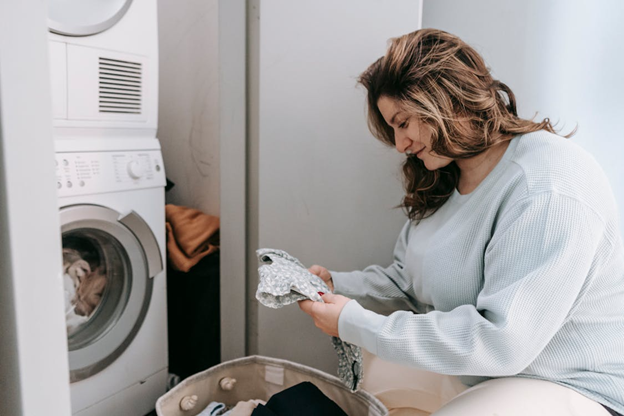
Use EC3 Laundry Additive for a Fresher and Cleaner Machine
Using our EC3 Laundry Additive as part of your laundry strategy prevents mold and fungal load on your clothes and in the machine. And you are reducing potential allergens and irritants in your family's environment.
With the right laundry strategy and proper use of detergents and laundry additives, combined with other mold prevention methods, your laundry and your washing machine will keep smelling fresh and mold-free.