
When Is the Right Time to Use a Homeopathic Nasal Spray?
Aug 25th 2026
Knowing when to reach for a homeopathic nasal spray starts with understanding what is causing your nasal discomfort. Congestion, sneezing, a runny nose, postnasal drip, and irritation can show up after exposure to pollen, dust, mold, or other environmental triggers. A nasal spray may be useful when symptoms are mainly affecting the nose and you want a convenient option to support a clearer, more comfortable nasal passage. Still, not every nasal problem calls for the same product, so it helps to know what you're treating before making it part of your routine.
When a Nasal Spray May Make Sense
Nasal symptoms can be frustrating because they often appear at the worst possible time. You might wake up congested after spending time in a damp building, develop a runny nose during pollen season, or find yourself repeatedly sneezing after cleaning a dusty room. Common symptoms that may prompt someone to consider a nasal product include:
- Stuffy or congested nasal passages
- A watery or irritated nose
- Frequent sneezing
- Nasal dryness
- Postnasal drainage
- Discomfort after exposure to pollen, dust, mold, or other environmental irritants
A spray can be particularly convenient when you need something you can keep nearby and use without preparing a larger nasal-rinsing setup. But even then, symptoms don't always tell the whole story. A severe sinus infection, persistent breathing difficulty, repeated nosebleeds, significant facial pain, or symptoms that aren't improving deserves medical attention. A healthcare professional can help determine whether allergies, infection, structural problems, or another condition is responsible.
Don't Assume Every Nasal Spray Works the Same Way
This is an easy mistake to make. Nasal sprays are simply delivery systems. What they contain determines what they're intended to do. Saline rinses and sprays are primarily used to clean and moisturize the nasal passages. Decongestant sprays work differently and are generally intended for short-term use because prolonged use can cause rebound congestion. Steroid nasal sprays are commonly used for inflammatory conditions such as allergic rhinitis and are typically used according to a healthcare professional's directions.
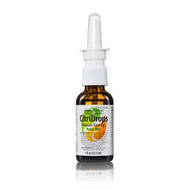
Homeopathic products are a separate category. They are based on principles of homeopathy rather than conventional drug treatment. If you're considering one because you prefer a natural approach, read the label carefully and understand what the product is designed for. Micro Balance Health Products has a homeopathic nasal spray, CitriDrops Nasal Spray, that could be the right option for those who prefer a natural approach.
How to Use a Nasal Spray Properly
Technique matters more than many people realize. Simply pointing the nozzle upward and taking a deep breath can send much of the spray toward your throat instead of keeping it where you want it. Start by reading the directions for your particular product. A new pump bottle may need to be primed by pressing the pump several times until it produces a consistent mist.
Before spraying, sit or stand upright and keep your head in a neutral or slightly forward position. Don't tip your head far backward. Gently place the nozzle into one nostril and direct it toward the outer side of the nasal passage rather than straight toward the center septum.
Press the pump while breathing gently. There's no need to take a powerful sniff. A strong inhale can pull the liquid down the back of your throat, which isn't the goal. Allow the spray to remain in the nasal passage for a moment, then repeat on the other side if the instructions call for it. Follow the dosage on the bottle rather than assuming that more is better.
For CitriDrops, the supplied directions indicate shaking the bottle, using 1 to 3 sprays in each nostril, and repeating as needed. If you're unsure about frequency or whether the product is appropriate for you, ask a healthcare professional.
Why Consider CitriDrops for Your Homeopathic Nasal Spray?
Micro Balance's CitriDrops Nasal Spray is designed for people looking for a natural, homeopathic option for nasal discomfort associated with environmental triggers. The formula is marketed for use around mold and other allergens and contains xylitol as one of its ingredients. The company also describes it as non-habit-forming and suitable for use alongside other treatments.
Its format is part of the appeal. The glass bottle and pump sprayer make it easy to keep on hand when you're away from home or when a full nasal rinse isn't convenient. Someone dealing with occasional exposure-related nasal irritation may appreciate having a compact option available rather than waiting until symptoms become especially bothersome.
Still, it's important to understand how homeopathic products work. "Natural" doesn't automatically mean more effective or appropriate for every person, and homeopathic products require a more diligent approach and a willingness to use the products when symptoms occur. Check with your healthcare provider before adding a new nasal product.
For someone specifically seeking a natural approach and who understands the limitations of homeopathic treatments, Micro Balance's CitriDrops can be a convenient addition to a broader allergy and environmental-exposure routine. Used according to its label, a homeopathic nasal spray such as CitriDrops may fit into a personal strategy for managing occasional nasal irritation while you also work on reducing the triggers behind your symptoms.